
Cards game guide
Keno - Keno Demo & 7game10 Keno Guide
A focused number-pick experience for players who want simple rounds, readable choices, and a calm mobile rhythm.
Keno is a cards game built around selecting numbers before a draw. In practical terms, the best way to understand Keno is to begin with the free-style Keno Demo, learn how a selection becomes a ticket, and only then decide whether a real-money round fits your budget. 7game10 Keno keeps that sequence easy to follow on a phone.
The short answer is simple: choose a small set of numbers, confirm the stake, watch the draw, and compare the drawn numbers with your ticket. A Keno Demo lets you observe the interface without risking a deposit, while the 7game10 responsible approach is to set a limit before play and treat every result as independent.
Keno Neighbours in the Cards Lobby
If the Keno pace feels right, these four cards records provide nearby styles to sample. Each name and image opens the same 7game10 promotion path; they are suggestions, not guarantees of an outcome.
 5 Card Poker
 Cards Hi Lo
 Coin Pusher
 Coin Toss
Keno Game Theme and Table Experience
The defining Keno experience is clarity rather than a crowded table. The number board is the focal point, the ticket area confirms the selection, and the draw result gives the round a clean beginning and end. That design suits a player who wants a few deliberate taps instead of a long ruleset.
On a small screen, Keno benefits from a high-contrast board and a short decision window. The 7game10 Keno presentation keeps the important details close: selected numbers, stake controls, confirmation, and the result. The cards category also makes it easy to move between a practice round and another compact game without losing the overall lobby context.
A polished theme can make a round feel smooth, but it does not change probability. Enjoy the visual pace, then let your preset limit—not a streak or a near miss—decide when to stop.
How to Play Keno in Four Clear Steps
To play Keno well, follow the same order every time: practice, select, confirm, and review. The routine is more useful than chasing a particular number pattern.
- 1Start with the Keno DemoOpen the practice view and identify the number board, ticket summary, draw control, and result area before adding any real balance.
- 2Set a round and session limitChoose an amount you can afford to lose, decide how many rounds you will inspect, and write that boundary down before selecting numbers.
- 3Choose numbers and verify the ticketTap the desired numbers, check the stake and total, then confirm only when the displayed ticket matches your intention.
- 4Watch, compare, and close the roundCompare the drawn numbers with your ticket, record the result if useful, and leave the game when your preset session is complete.
The Keno Demo is especially useful for learning where confirmation appears and how the result is presented. It is a practice tool, not evidence that a real-money result is due.
Keno Strategy for Measured Decisions
The most reliable Keno strategy is bankroll and attention management, not a promise of prediction. A draw does not remember previous draws, so a hot number, cold number, or near miss is not a reason to increase a stake.
A practical rule: use one small stake, one written stop point, and one review pause. If any of those three disappears, end the session.
Keno selection habits that reduce noise
- Keep the ticket consistent: changing every number after a loss can make the session emotional rather than deliberate.
- Use a stop-loss boundary: never reload simply to recover a previous result, and never raise a stake because the last round missed.
- Take a real pause: close the board, look away from the screen, and decide whether you still want to continue after a few minutes.
- Compare experiences, not promises: a slower cards game may suit you better than a faster one if you prefer time to verify each choice.
Players who like a different kind of decision rhythm can compare the ticket focus of Keno with Dragon Fishing in the fishing category. That comparison is about interface and pace, not about which game is more likely to win.
For a card-table alternative, Lucky 7 offers a different presentation. Move between games only after closing the current ticket, and keep the same limit across the whole session.
Keno Screenshots and Interface Notes
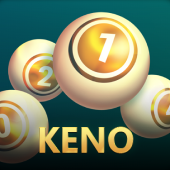
These local game images give a visual reference for the records in the cards lobby. They are not claims about a winning sequence. Use the Keno image to recognise the game, then use the written observations to prepare for the actual board.
Keno FAQs for New Players
The quick answers below cover the practical questions most useful before a first Keno round. Read them before opening the game so your decisions are made away from the excitement of a draw.
What is Keno?
Keno is a number-selection game. You choose numbers, confirm a ticket, and compare those choices with the numbers drawn. The 7game10 record is listed in the cards category.
Can I try a Keno Demo first?
Yes. Use the Keno Demo to learn the board, ticket controls, and result display without treating practice results as a forecast of real play.
Does a previous draw change the next one?
No. Each draw should be treated as a separate event. Previous results can help you review your session, but they do not make a number due or overdue.
What should I check before confirming?
Check the selected numbers, stake, total cost, and any displayed limit. If one detail is unclear, cancel the ticket and review it rather than tapping quickly.
How does 7game10 responsible play apply?
Set a spending limit and time reminder, play only if you are 21 or older, never chase a loss, and take a cooling-off break when the session no longer feels relaxed. Support tools should be used before a limit is tested.
Is Keno a guaranteed way to win?
No. Keno outcomes are uncertain, and no selection method guarantees a win. The right goal is an informed, limited entertainment session rather than a promised return.
Keno Key Takeaways Before You Start
Keno is easiest to enjoy when the rules are understood before the first stake. Use this final checklist, then return to the 7game10 game index only when you know which category and limit you want.
The 7game10 Keno page is an information-led starting point: explore the real image, use the Keno Demo when available, and keep real-money play optional. A clear plan is more valuable than a confident prediction.